Radford University
Upcoming Planetarium Shows
Wednesdays at 7:30 p.m.
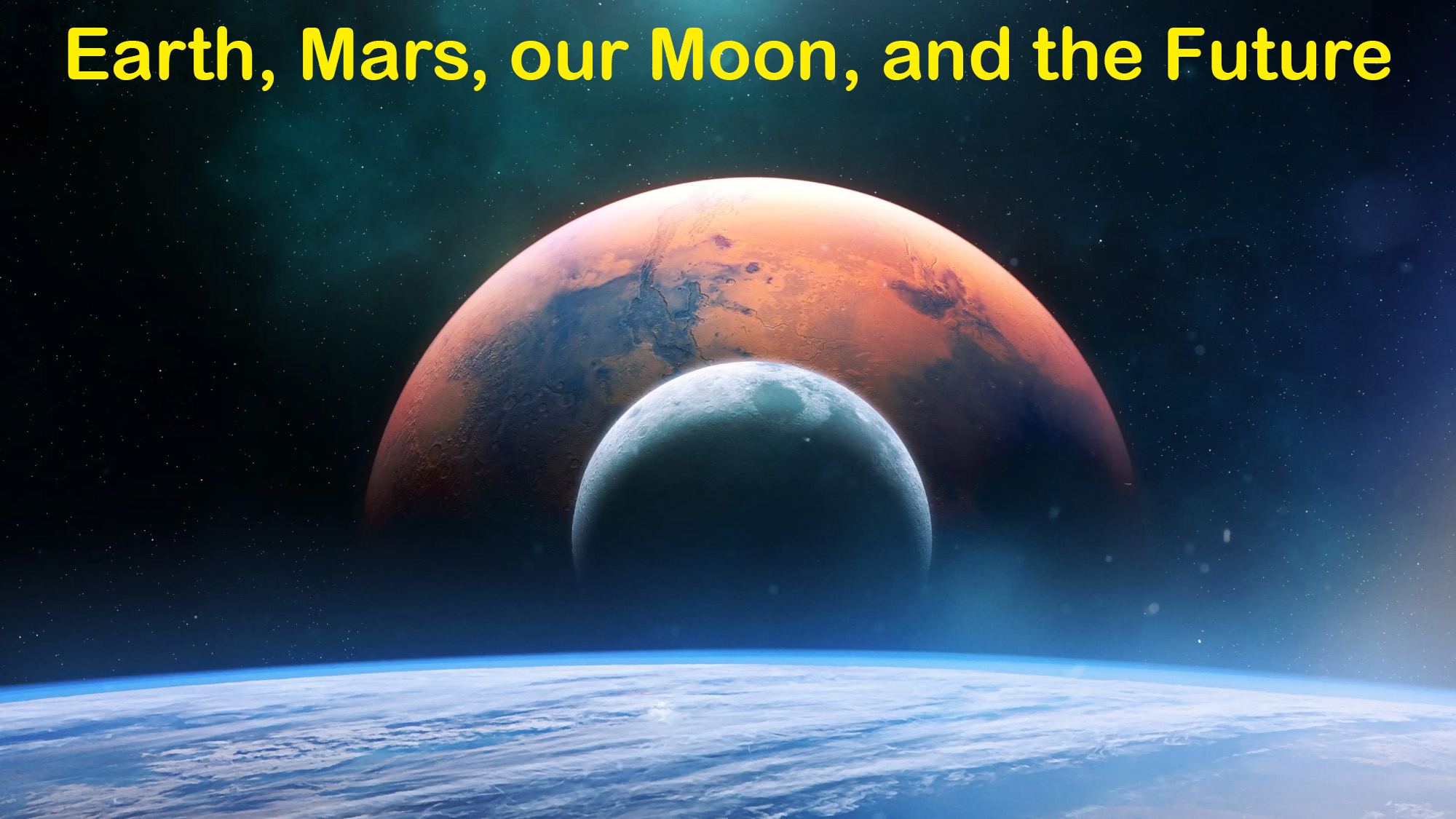
Come join us for this additional unique live show as we explore many wonders of our home planet, see fascinating landscapes of Mars and our Moon up close, and more! You will witness the breathtaking beauty of total solar eclipses firsthand through a one-of-a-kind immersive experience on the dome.
The shows will be playing on Wednesday nights at 7:30 p.m. Dates are November 11,
November 18 and December 2.
"Earth, Mars, our Moon, and the Future" was created and produced by Kyle Johnston,
a Virginia Tech student and two-time NASA intern, using our Digistar planetarium system.
Thursdays at 7 p.m.
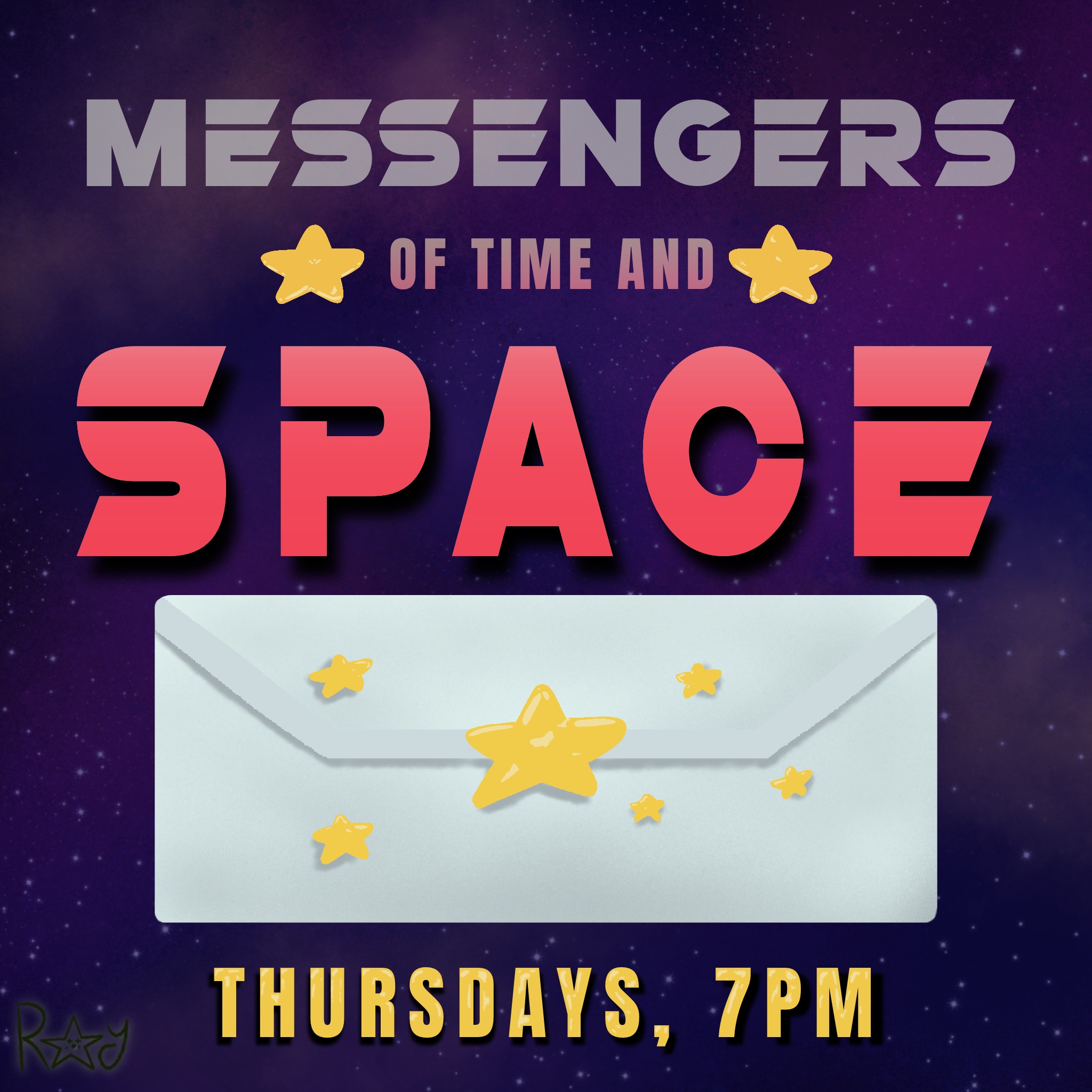
The full dome show for the Radford University Planetarium for next 2 Thursday nights (November 12 & 19) is "Messengers of Time and Space."
"Messengers of Time and Space" is a stunning visual and educational experience that leads you on a journey through the dynamic Universe during a night of observing at the International Gemini Observatory. The show reflects on Gemini’s unique rapid-response abilities as it joins forces with cutting-edge observatories like NSF–DOE Vera C. Rubin ObservatORY AND LIGO (LASER INTERFEROMETER GRAVITATIONAL-WAVE OBSERVATORY) TO BRING FORTH A NEW ERA OF ASTRONOMY.
"Messengers of Time and Space" is 29 minutes long and was made possible through a grant from the NSF called Gemini in the Era of Multi-Messenger Astronomy (GEMMA).
Saturdays at 10:30 a.m.
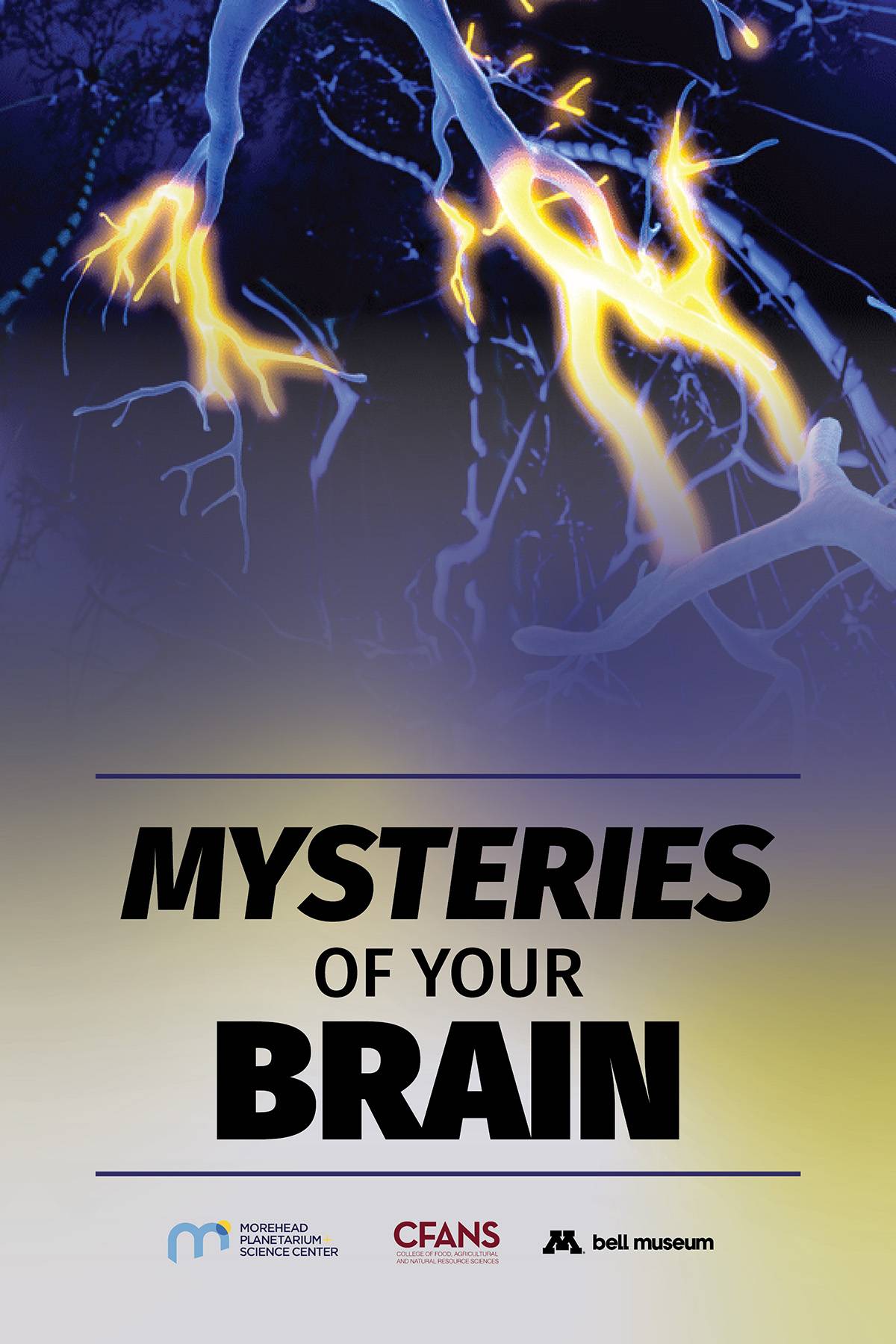
The full dome show at the Radford University Planetarium for the 10:30 a.m. Saturday show on November 14 is "Mysteries of Your Brain."
In this original Bell Museum production, your tour guides on this journey are a curious young girl and her crow companion—together you’ll zoom along the paths of neurons, fly through brains and experience illusions on a grand scale. You’ll learn how your brain makes you you and that, ultimately, we each have the power to change our brains.
Mysteries of Your Brain is produced by the Bell Museum (@BellMuseum). The Bell Museum collaborated with the University of North Carolina Morehead Planetarium and Science Center to create this planetarium show. The work was made possible through generous support from the Richard M. Schulze Family Foundation and Boston Scientific.