Radford University
Waldron College of Health and Human Services
An Innovative Healthcare Education
The Waldron College of Health and Human Services is a community of clinician-scholars preparing competent, compassionate professionals to meet the needs of southwest Virginia and beyond.
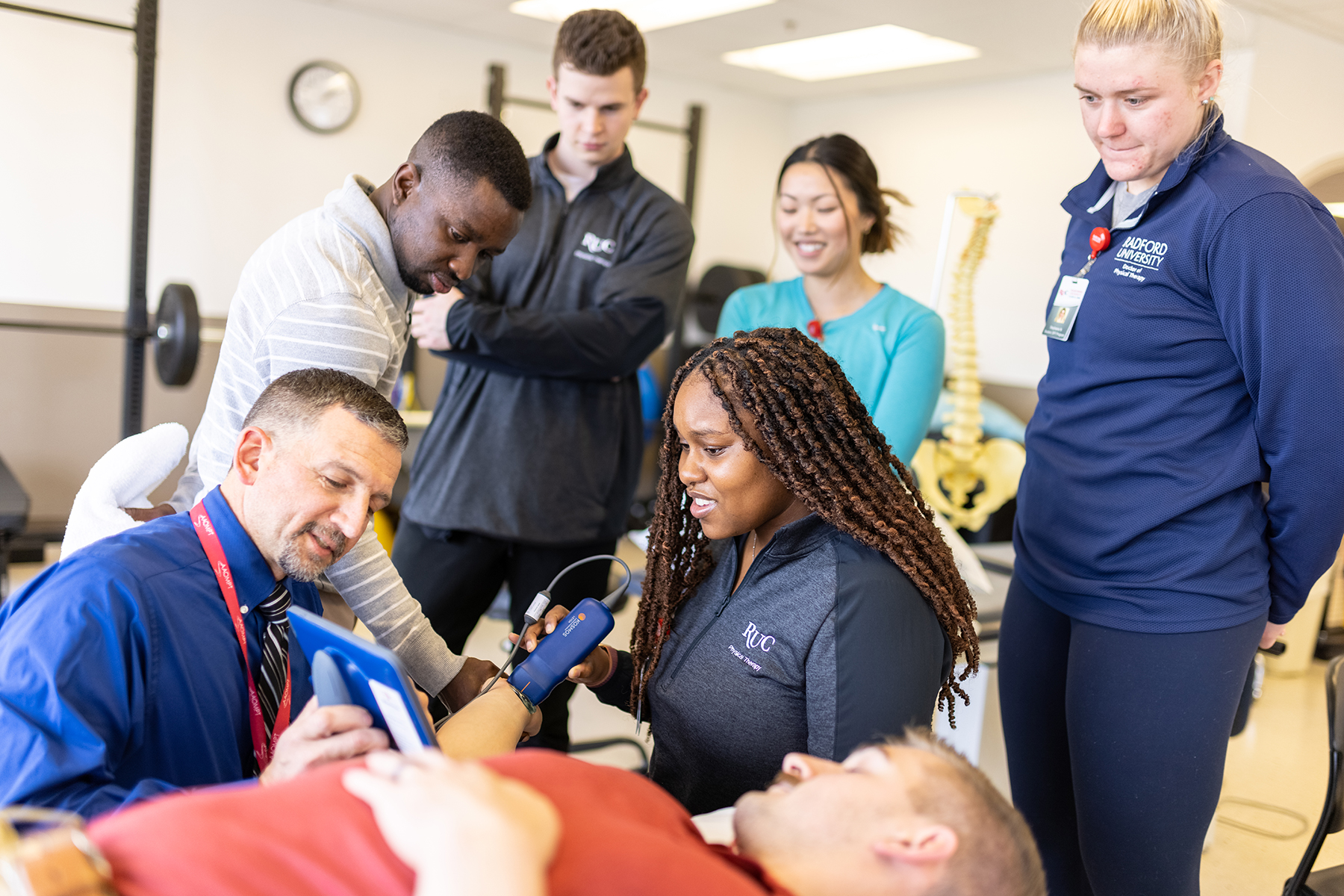
Preparing Healthcare Leaders with Modern Technologies
Our students experience a hands-on healthcare education with the latest and emerging technologies at facilities in Radford and Roanoke.
-
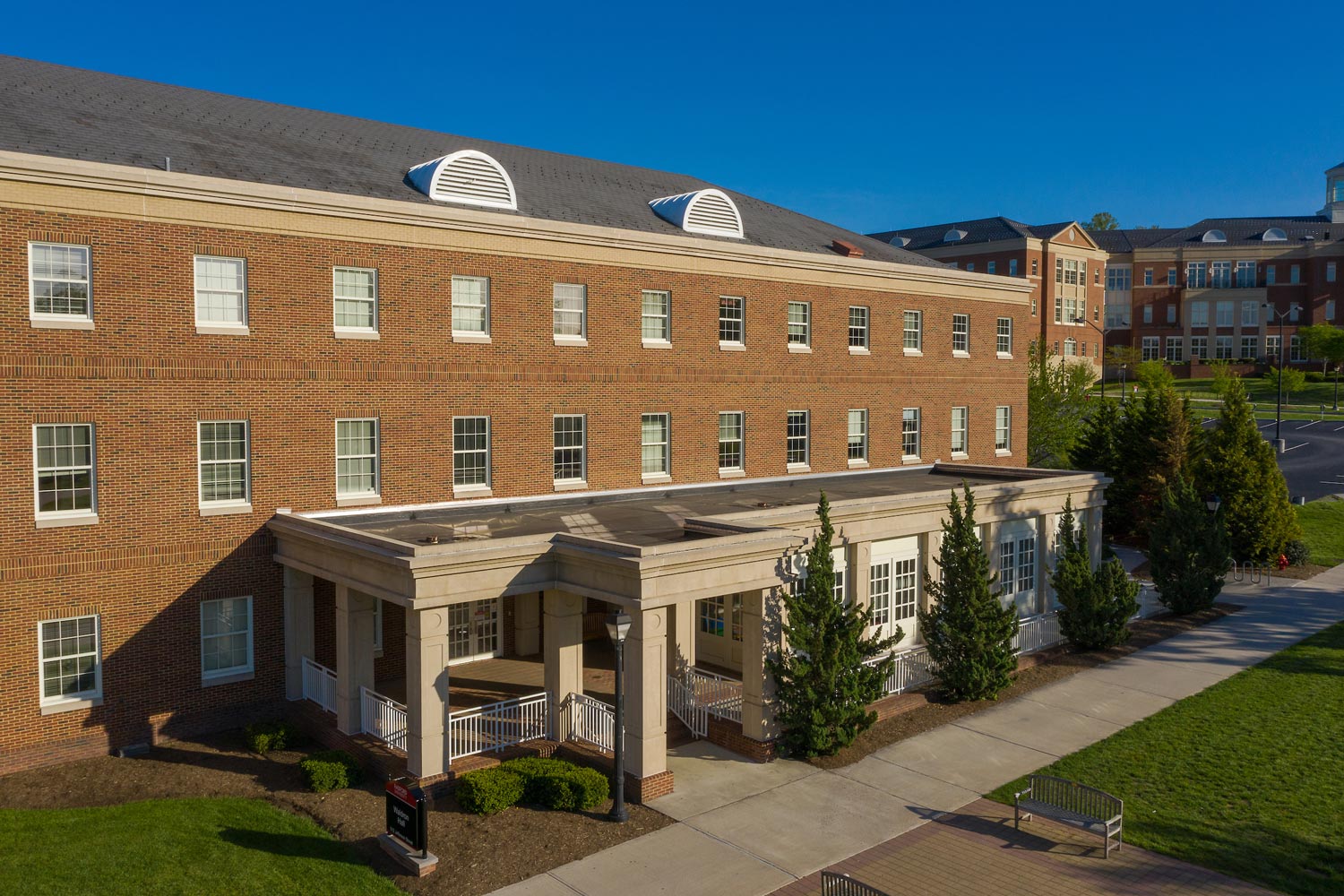
Waldron Hall
Main Campus in Radford, VA
-
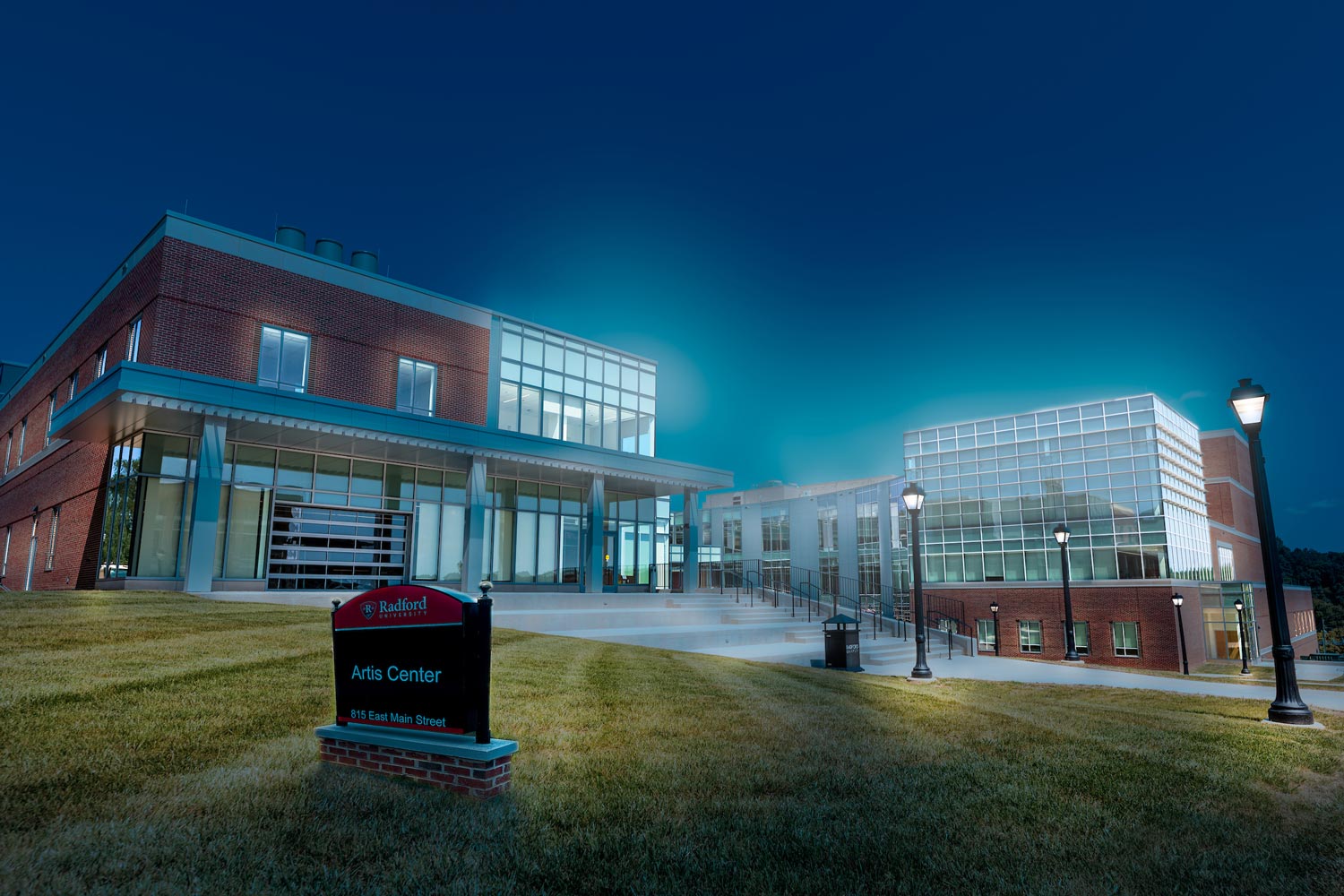
Artis Center for Adaptive Innovation and Creativity
Main Campus in Radford, VA
-
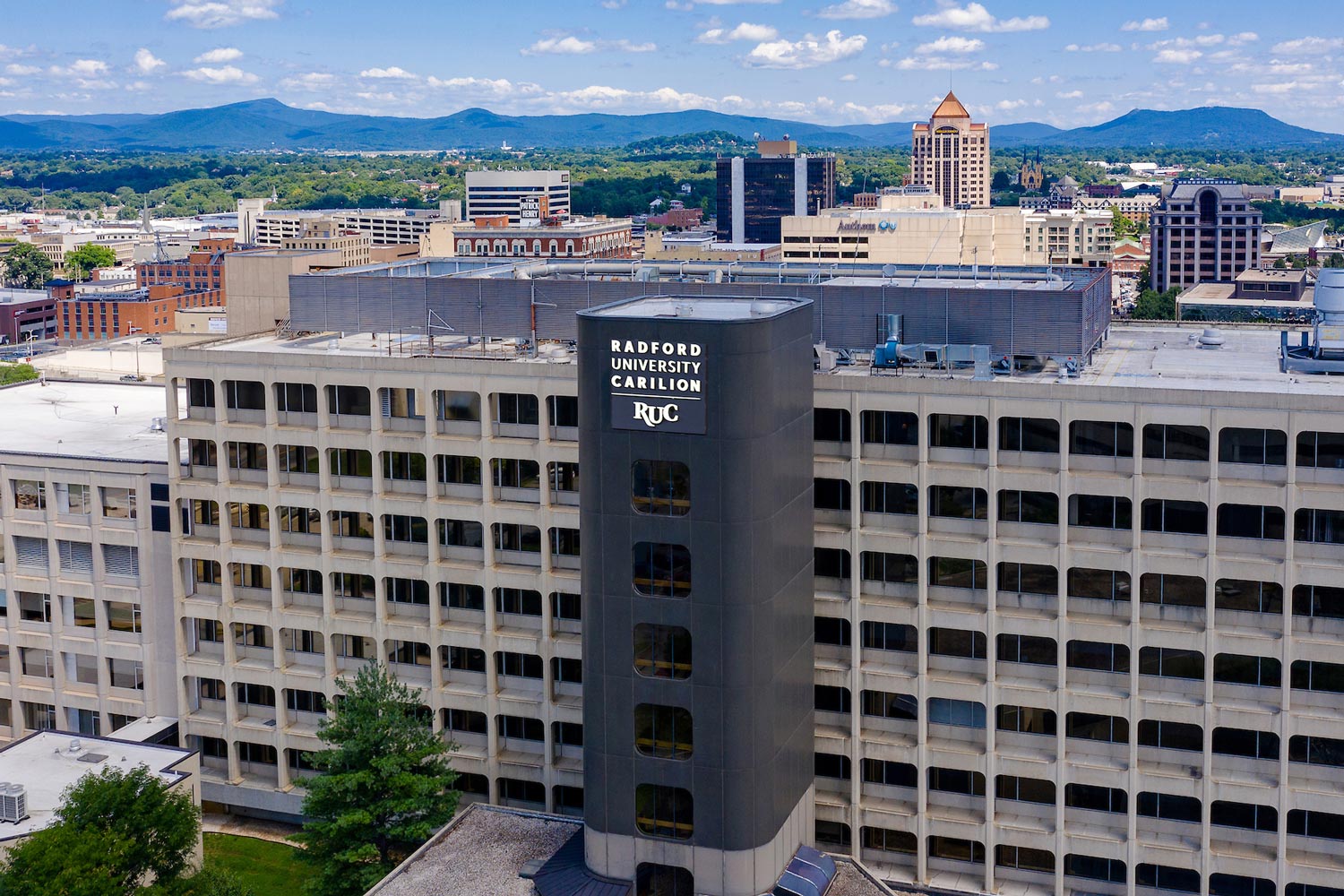
Radford University Carilion
Roanoke Community Hospital in Roanoke, VA
-
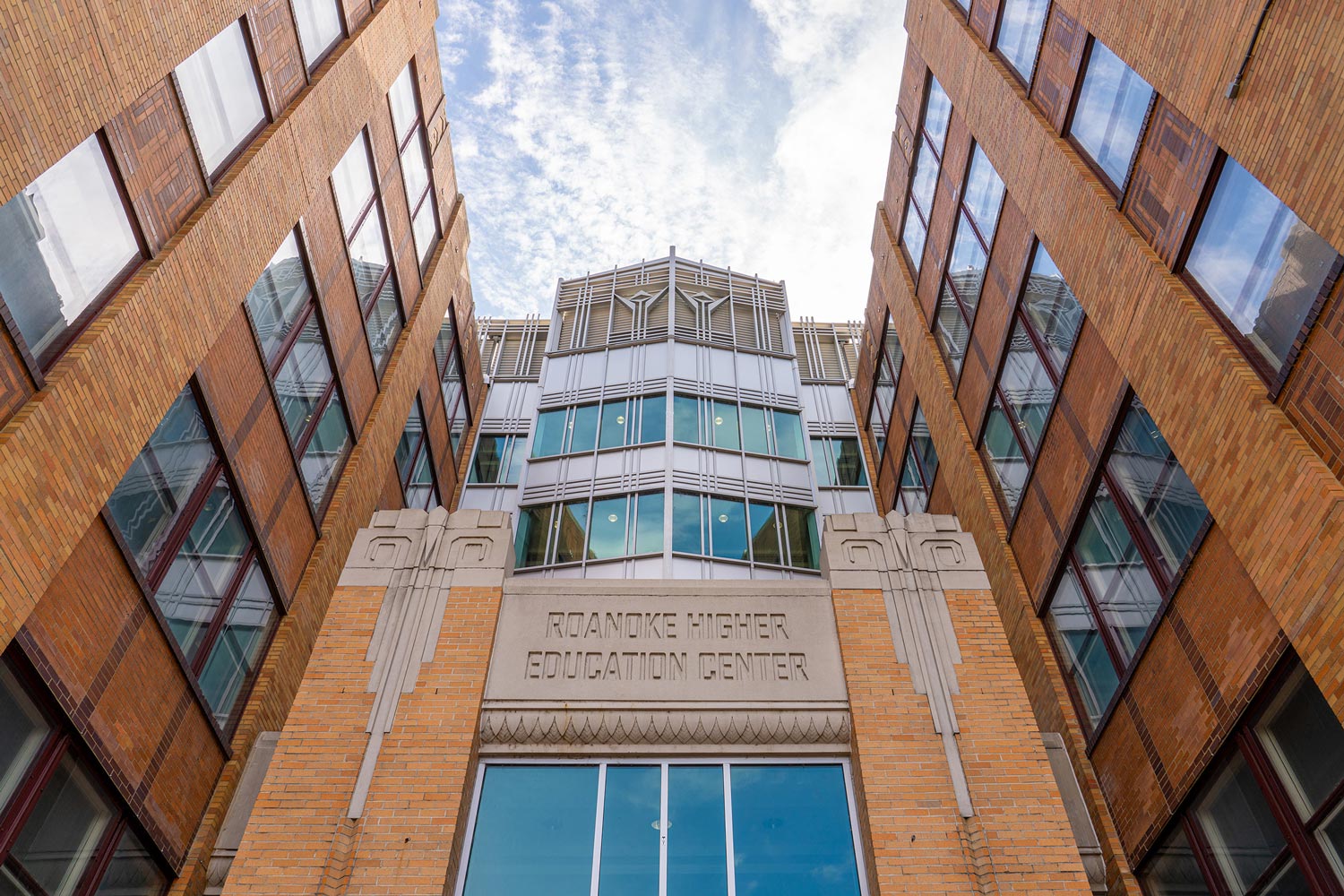
Roanoke Higher Education Center
Roanoke, VA

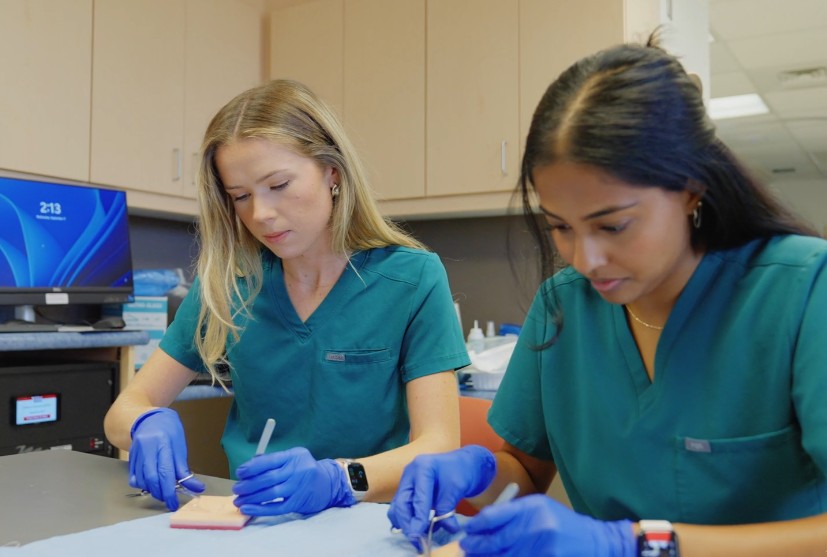
Learn More about Physician Assistant Studies
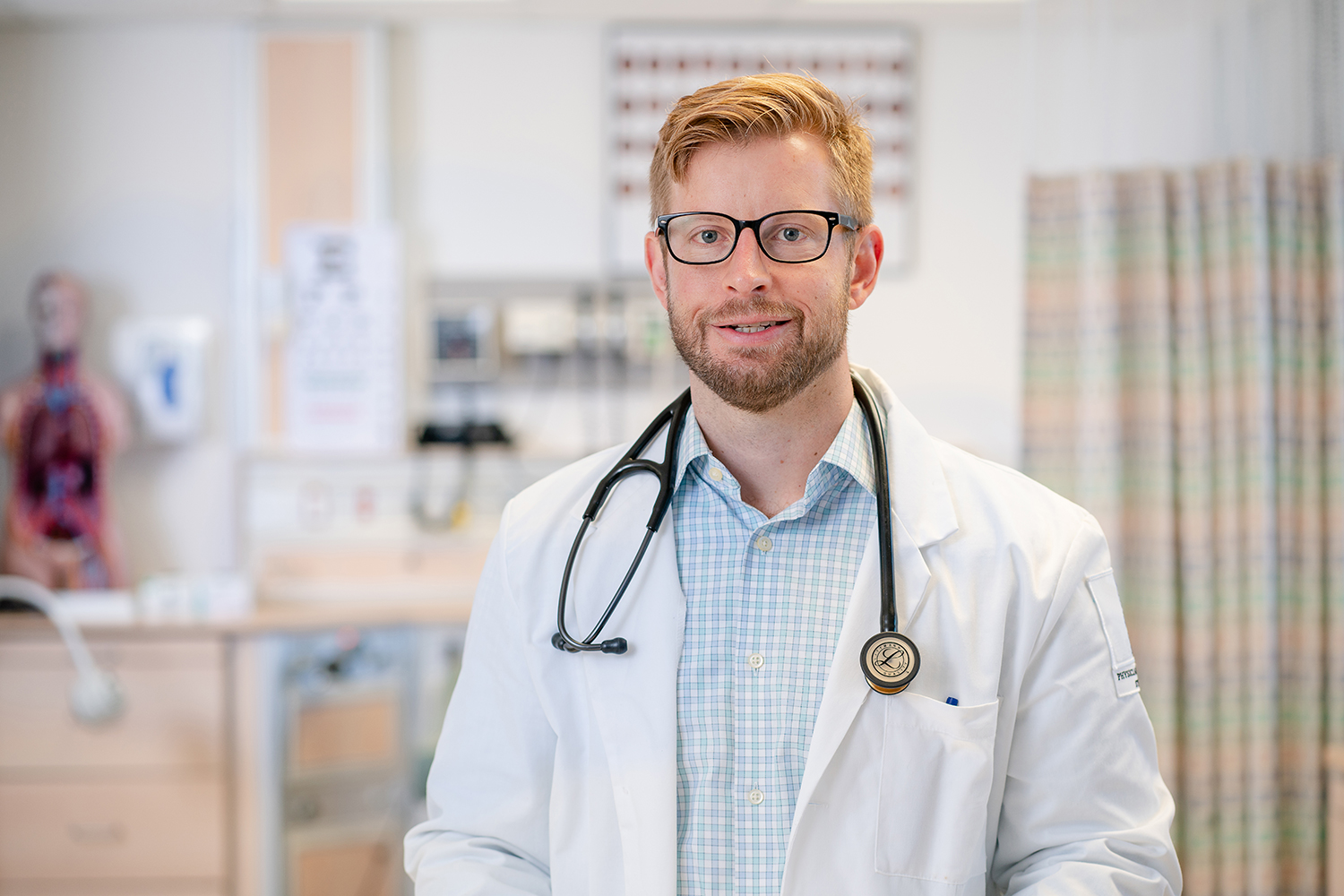
Physician Assistant Studies strives to prepare competent, compassionate and collaborative healthcare professionals ready to meet the growing demands of the healthcare industry.
A First-Gen Journey into Social Work
First generation student Ambrianna Spurell shares how Radford University helped her combine her interests with her goals to become successful in the field of social work. Spurells says, "I was already interested in music and art, and Radford University helped me apply those interests into social work to provide people with really cool outlets."


Charting a New Career Path
After an 11-year career as a flight attendant, Rachel Rogers decided it was time for a new flight plan. She explored several institutions before charting a new course with Radford University’s Department of Public Health and Healthcare Administration in Roanoke.

Academic Departments and School





Outreach Centers and Clinics
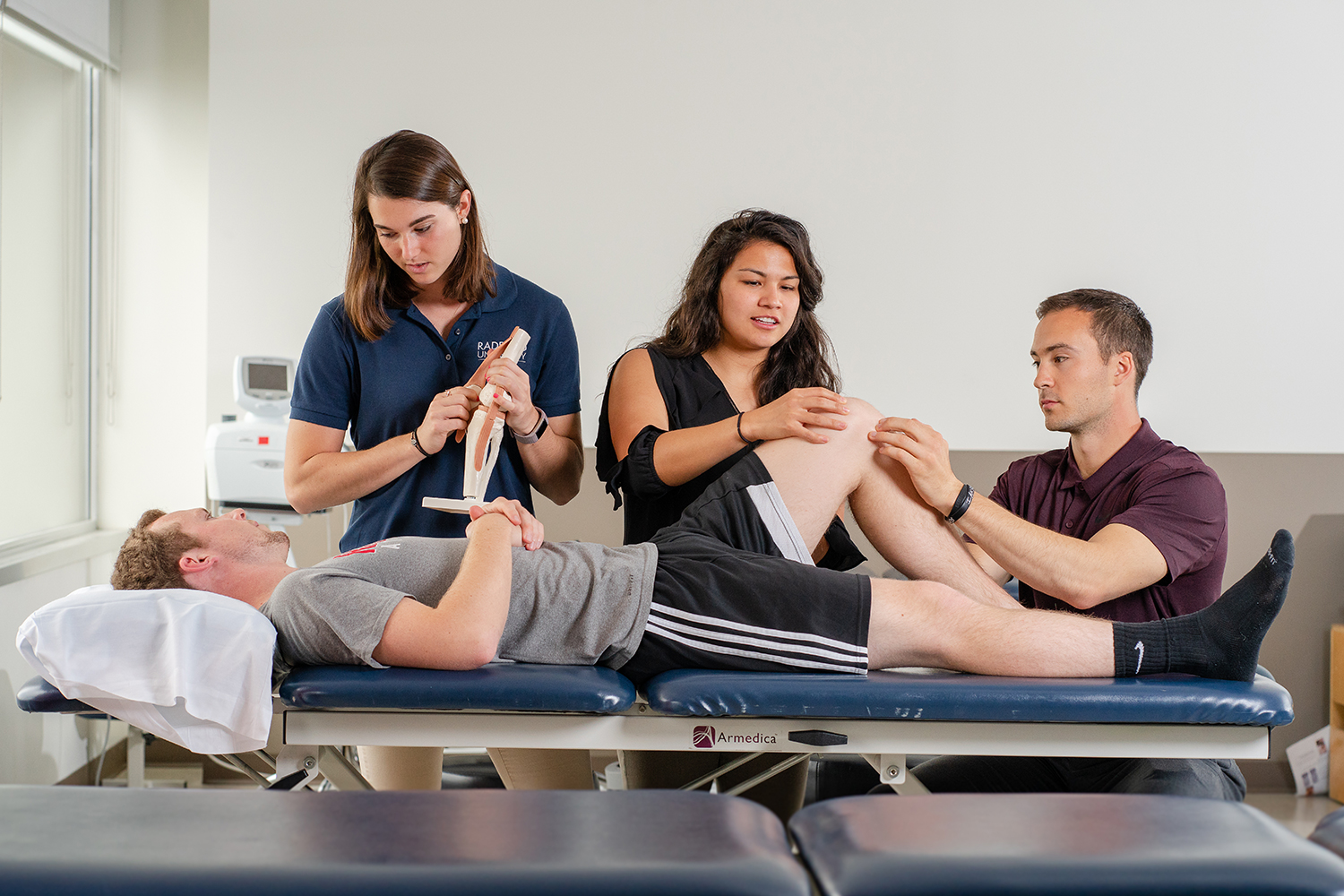
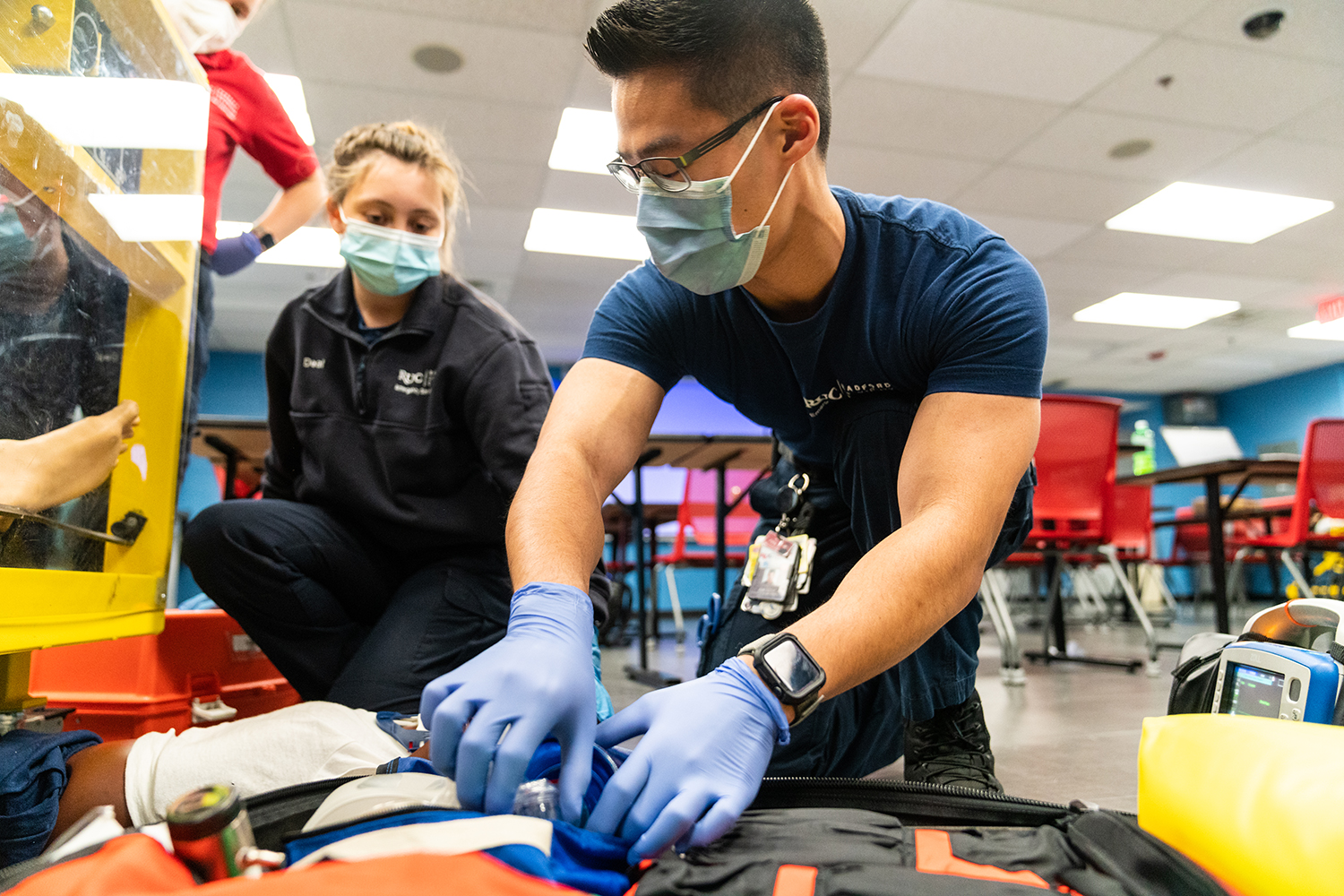
The Waldron College of Health and Human Services provides several services to the university and surrounding communities.
Waldron College News
-
Radford University selects Ashley Wells as assistant vice president for health sciences
August 18, 2026
Radford University has selected Ashley Wells as assistant vice president for health sciences, following a national search.

-
Radford University, Pulaski County host event exploring solutions for better health outcomes in Southwest Virginia
August 11, 2026
Building on its commitment to help optimize the health outcomes and wellbeing of residents in Southwest Virginia, Radford University partnered with Pulaski County on Aug. 5 to host “Community Paramedicine and Mobile Health Clinic Initiatives.”

-
Inspired to teach the next generation of COSD clinicians
August 6, 2026
Inspired by the mentorship she received as a Radford University graduate student, Almara Hutchinson, M.A. ’15, is paying it forward by educating the next generation of communication sciences and disorders professionals.
