Radford University
Admissions

Take Charge of your Future
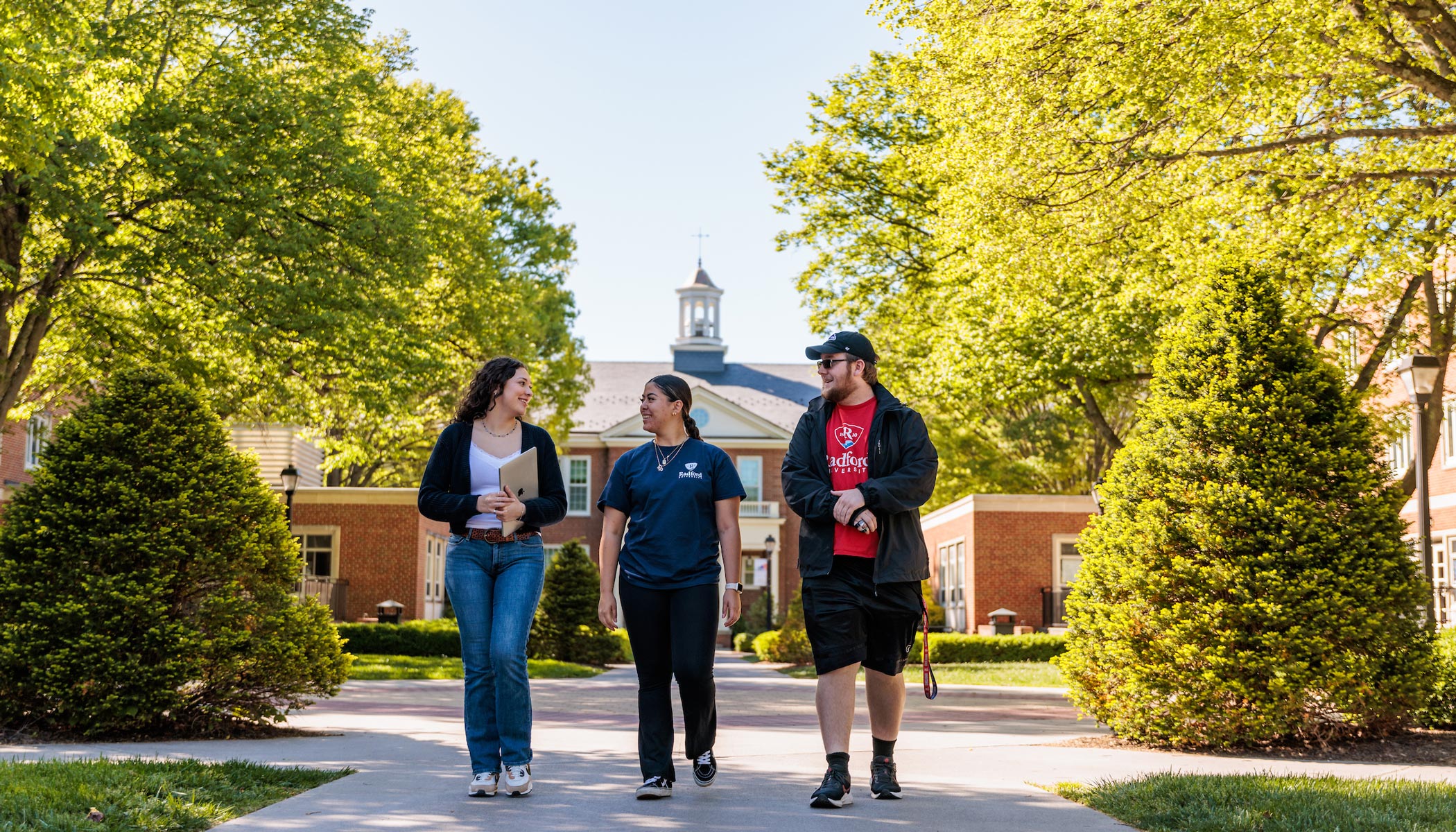
Radford University is a place where students create their own path forward, where your motivation and resilience will be met with resources and support. As a Highlander, your dreams are yours to achieve.
Where Grit Meets Opportunity
With special resources to support our students, members of the military and other applicants with special circumstances, we are here to match your determination.

Request More Information
Ready to learn more about Radford University? Complete a short form to connect with our admissions team and receive additional information about admissions, financial aid and academic opportunities.
Tartan Transfer
In collaboration with eight Virginia Community College System schools, the Tartan Transfer program keeps education affordable and accessible by lowering barriers for students across southwest Virginia. Participants have access to personalized advising, special co-curricular opportunities and more.

Experience Radford. Plan Your Visit.
Discover Radford University - whatever way is best for you!
-
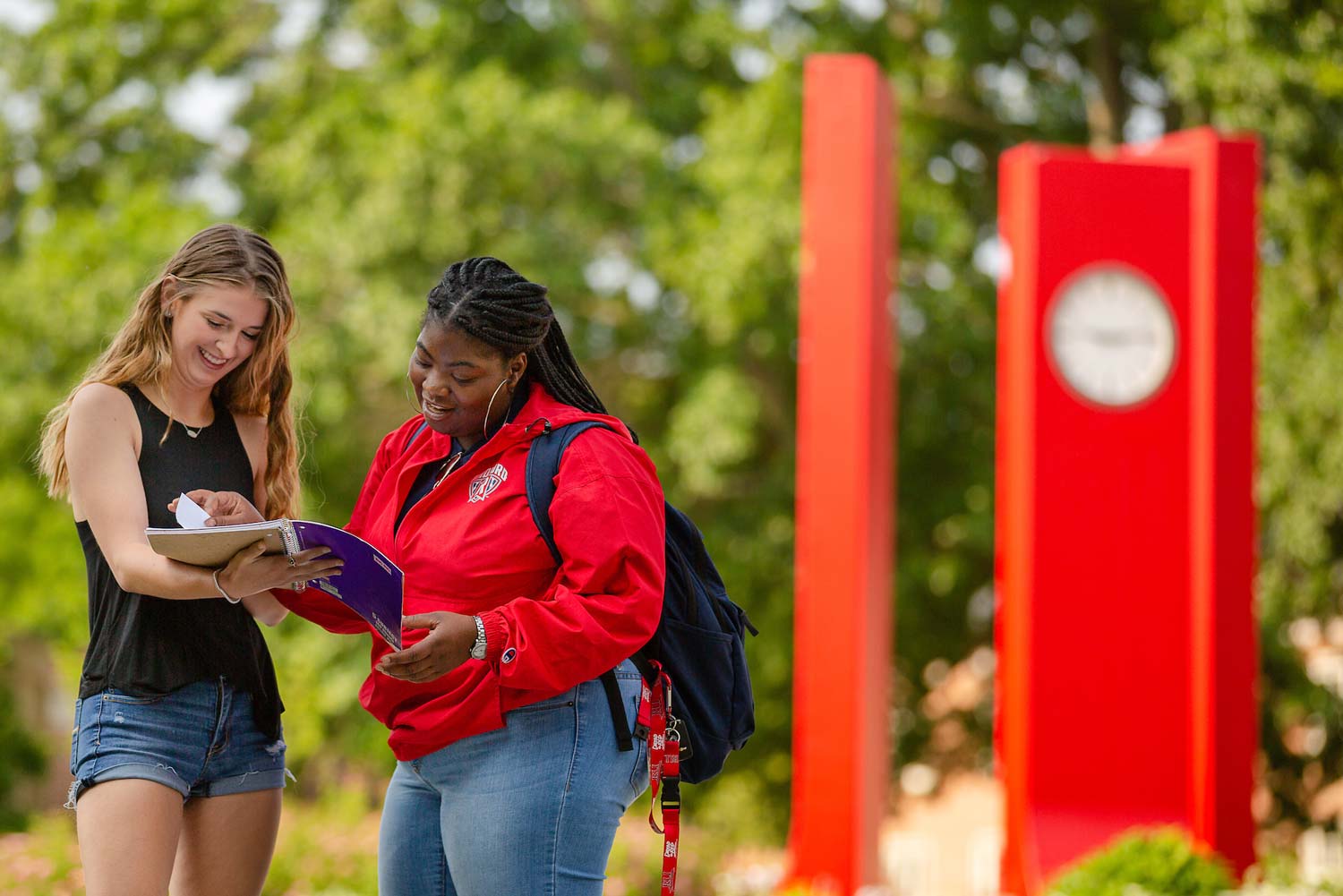
Radford University's campus balances large school resources with a small school feel, offering daily tour and Admissions Counselor sessions.
-
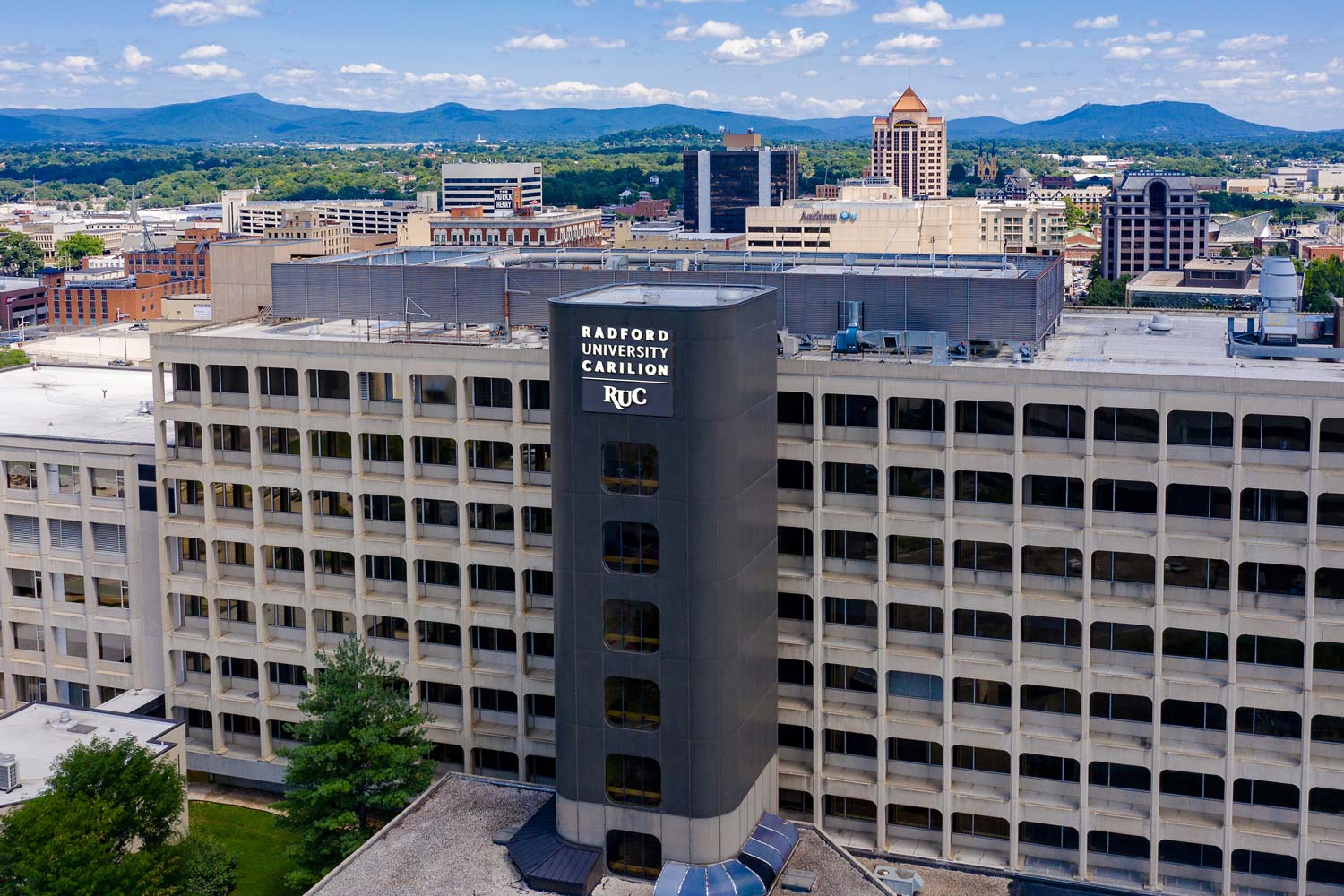
Tour Radford University at Carilion for a hands-on healthcare experience. Daily tours include Admissions Counselor session; availability varies due to hospital location.
-
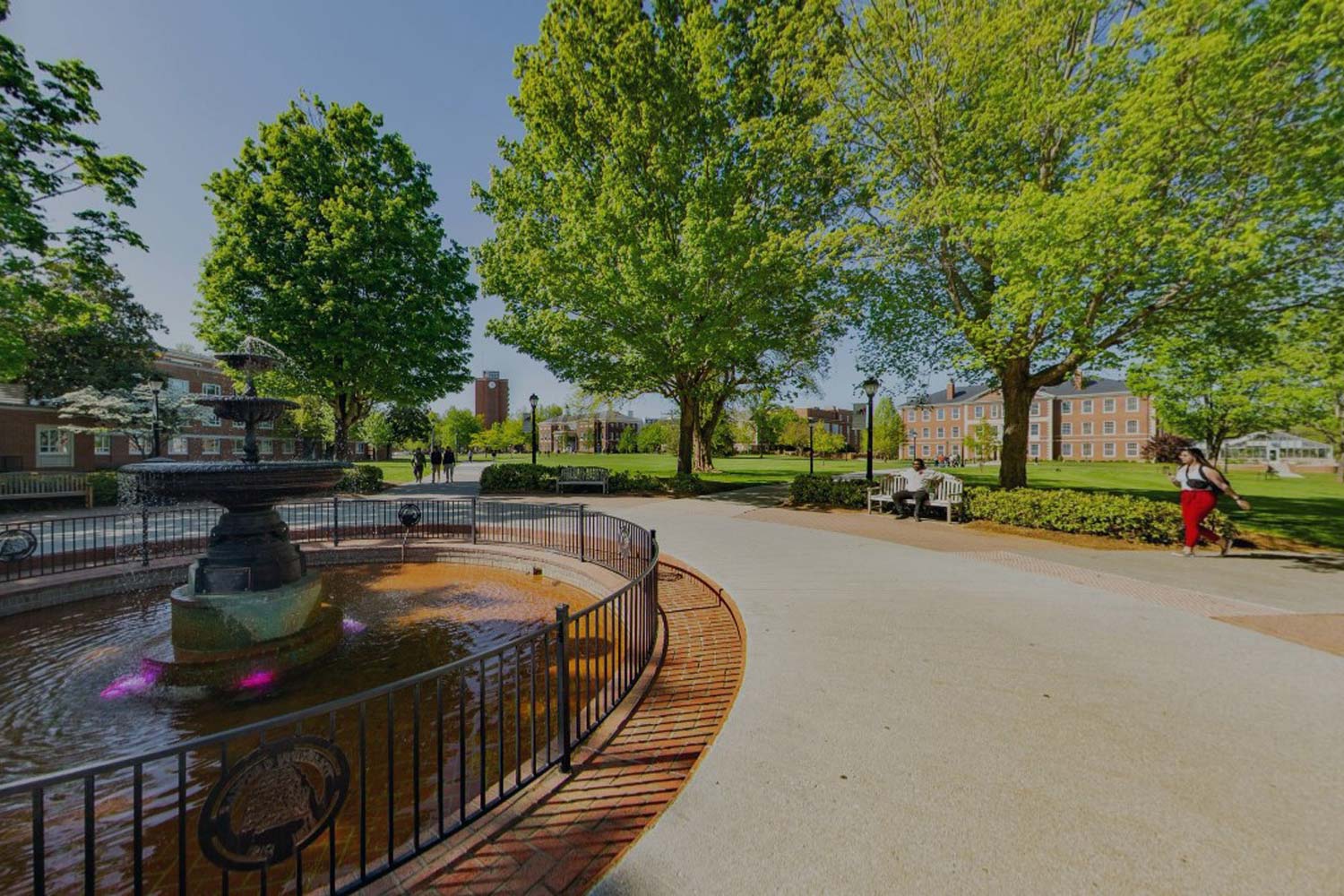
Discover Radford's main campus virtually, exploring programs and campus life with interactive tours featuring key facilities.
Encuentra tu lugar. Aquí.
En Radford, estamos comprometidos con su éxito desde sus primeros pasos en la Universidad hasta sus últimos momentos en la graduación.
Como estudiante, disfrutará de nuestra comunidad de aprendizaje unida y oportunidades prácticas en clases pequeñas con mentores facultativos que están comprometidos con su éxito.
Mire este vídeo para obtener más información.
Admitted Students
As a recently admitted student, we want to ensure that you have all of the information you need for this important transition. Next up:
- Pay your deposit
- Register for Quest - New Student Orientation
- Submit your housing application
- Review and accept your financial aid
- Submit your final transcripts and more!